If you’ve recently started exploring Chinese tea, you’ve probably encountered both Dancong Tea and Oolong Tea. At first glance, they seem to refer to different kinds of tea, leaving many beginners wondering which one they should choose.
The truth is simple: Dancong Tea is a type of Oolong Tea—but it offers a unique character that sets it apart from all other oolongs.
In this guide, you’ll discover the differences between Dancong Tea and Oolong Tea, their origins, flavors, brewing styles, and why Phoenix Dancong has become one of the most beloved teas among Gongfu tea enthusiasts worldwide.
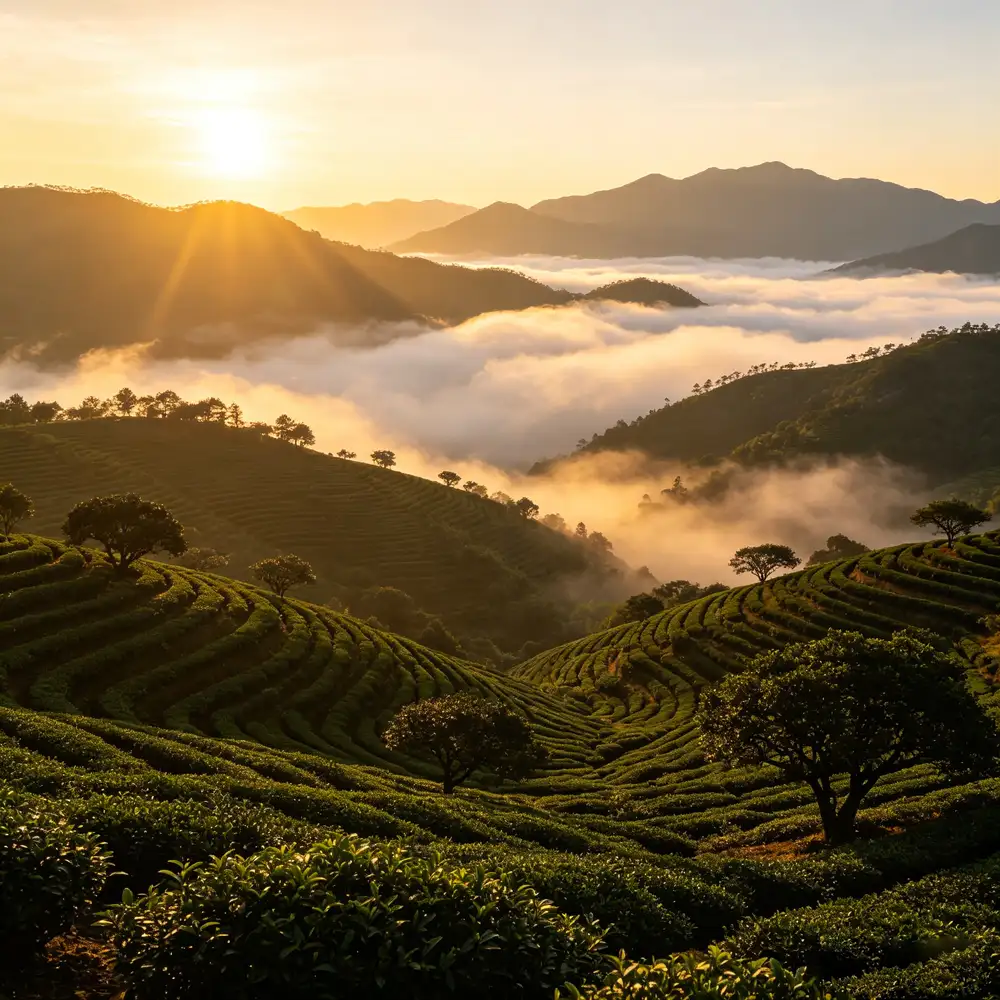
What Is Oolong Tea?
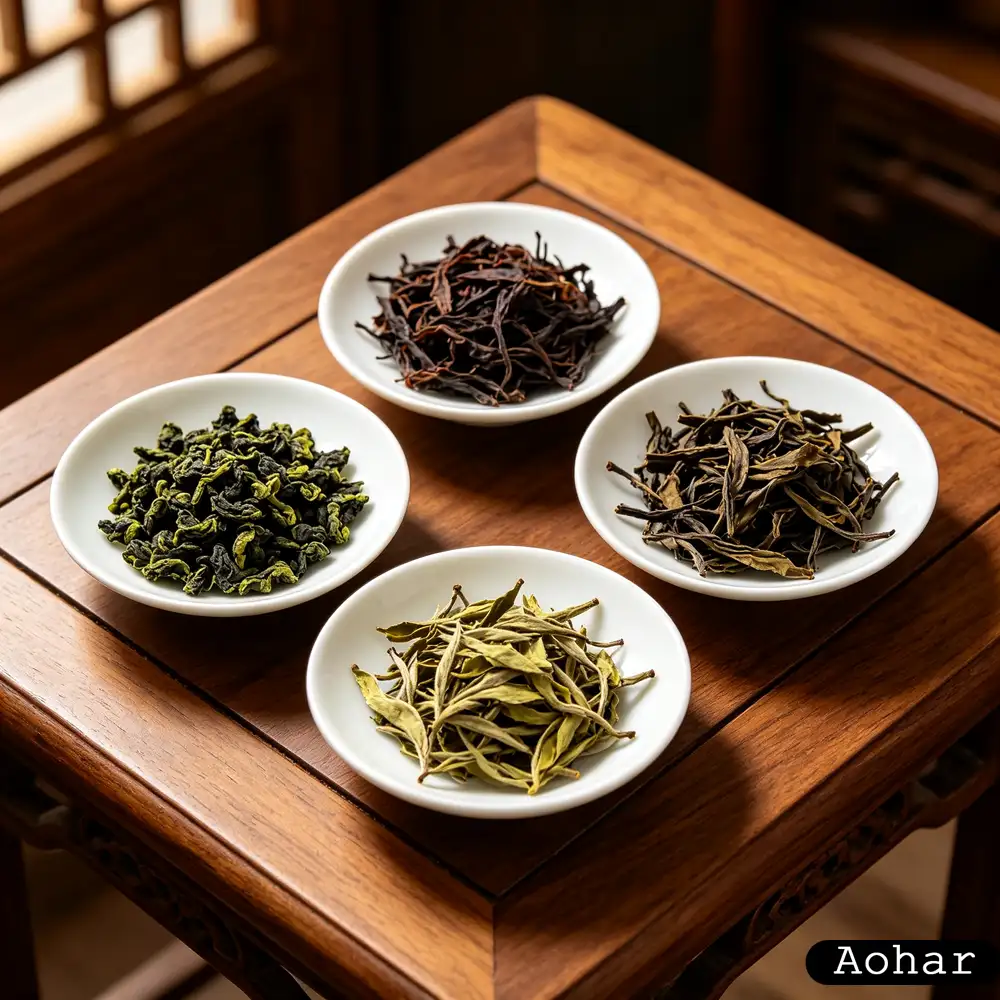
Oolong Tea is one of China’s six major tea categories. It is partially oxidized, placing it somewhere between Green Tea and Black Tea.
Because oxidation levels vary, Oolong Tea can offer an incredible range of flavors—from fresh and floral to roasted and full-bodied.
Some of the world’s most famous Oolong teas include:
- Tie Guan Yin
- Da Hong Pao
- Shui Xian
- Phoenix Dancong
In other words, Dancong Tea belongs to the Oolong Tea family.
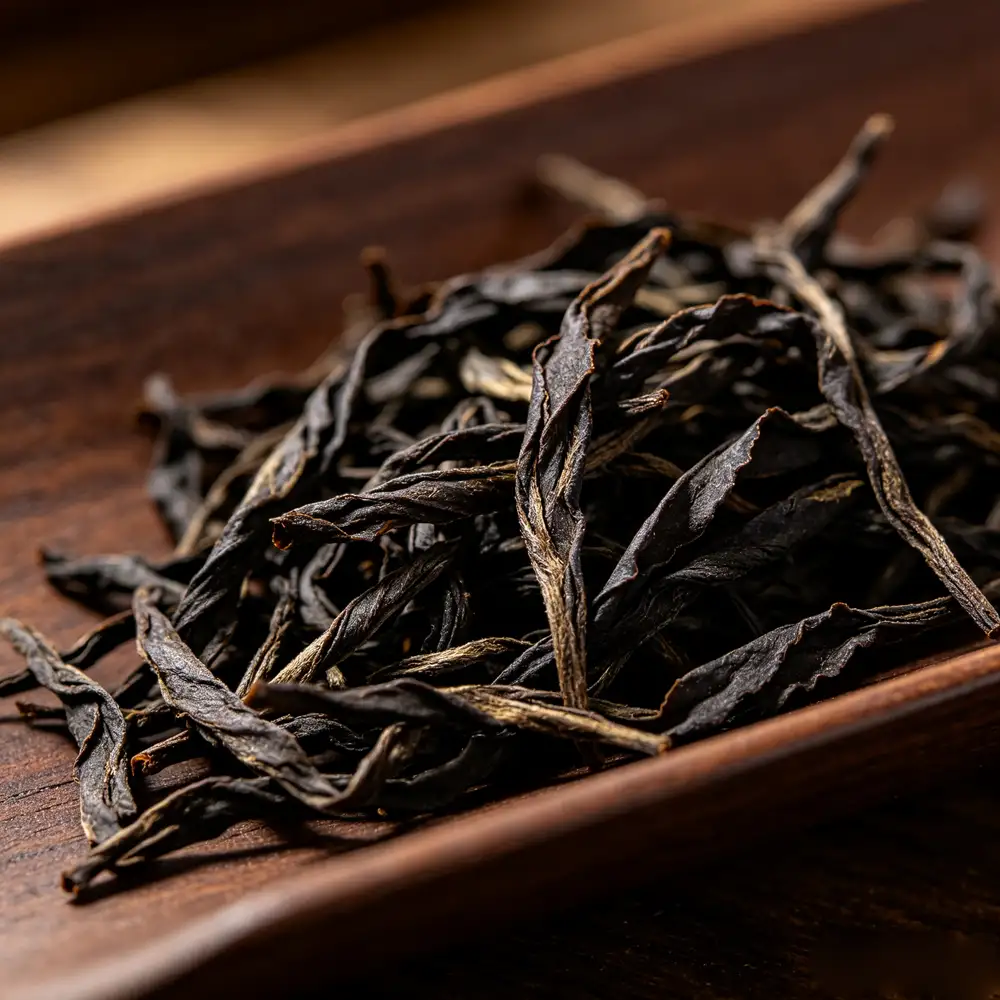
What Makes Dancong Tea Different?
Although Dancong Tea is classified as an Oolong Tea, it has several characteristics that make it truly exceptional.
The name “Dancong” means “Single Bush.” Traditionally, tea leaves were harvested from individual tea trees selected for their unique aroma.
Unlike many Oolong teas that focus on roasting techniques, Dancong Tea is celebrated for its naturally expressive fragrances.
Popular aroma profiles include:
- Honey Orchid (Mi Lan Xiang)
- Duck Shit Aroma (Ya Shi Xiang)
- Gardenia Aroma
- Almond Aroma
- Magnolia Aroma
Every variety delivers its own distinctive personality, making each tea session a new experience.
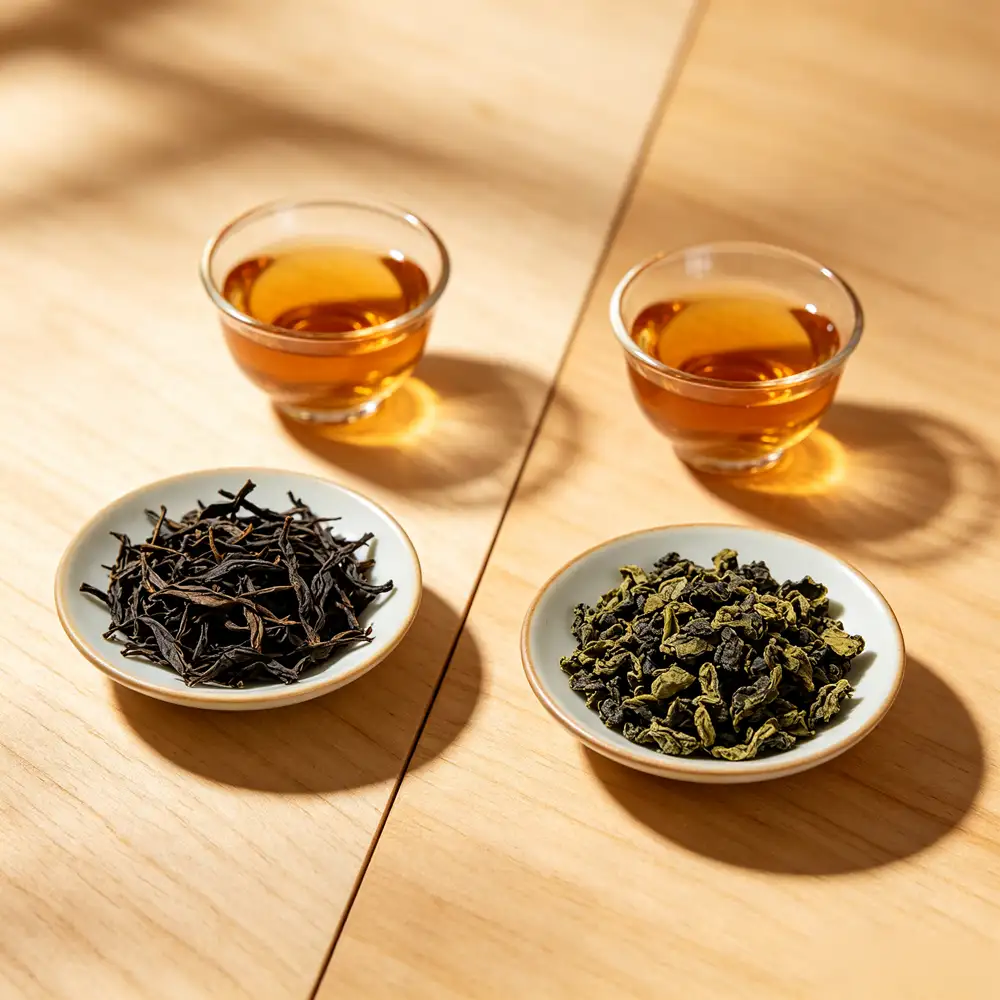
Dancong Tea vs Oolong Tea: Side-by-Side Comparison
| Feature | Dancong Tea | Other Oolong Tea |
|---|---|---|
| Origin | Phoenix Mountain, Guangdong | Fujian, Taiwan, Guangdong |
| Aroma | Highly floral and fruity | Floral, roasted, creamy or mineral |
| Flavor | Complex and evolving | Smooth and balanced |
| Brewing Style | Gongfu Tea | Gongfu or Western Style |
| Number of Infusions | 6–10+ | 4–8 |
While all Dancong teas are Oolong teas, not every Oolong tea offers the same aromatic complexity.
Which Tea Is Better for Beginners?
Both teas are excellent choices, but they suit different preferences.
If you enjoy smooth, balanced flavors that are easy to appreciate, traditional Oolong Tea is a wonderful place to start.
However, if you’re fascinated by floral aromas, layered flavors, and the art of Gongfu tea brewing, Dancong Tea offers a richer and more immersive experience.
Many tea lovers discover that Dancong becomes their favorite tea because every infusion reveals something new.
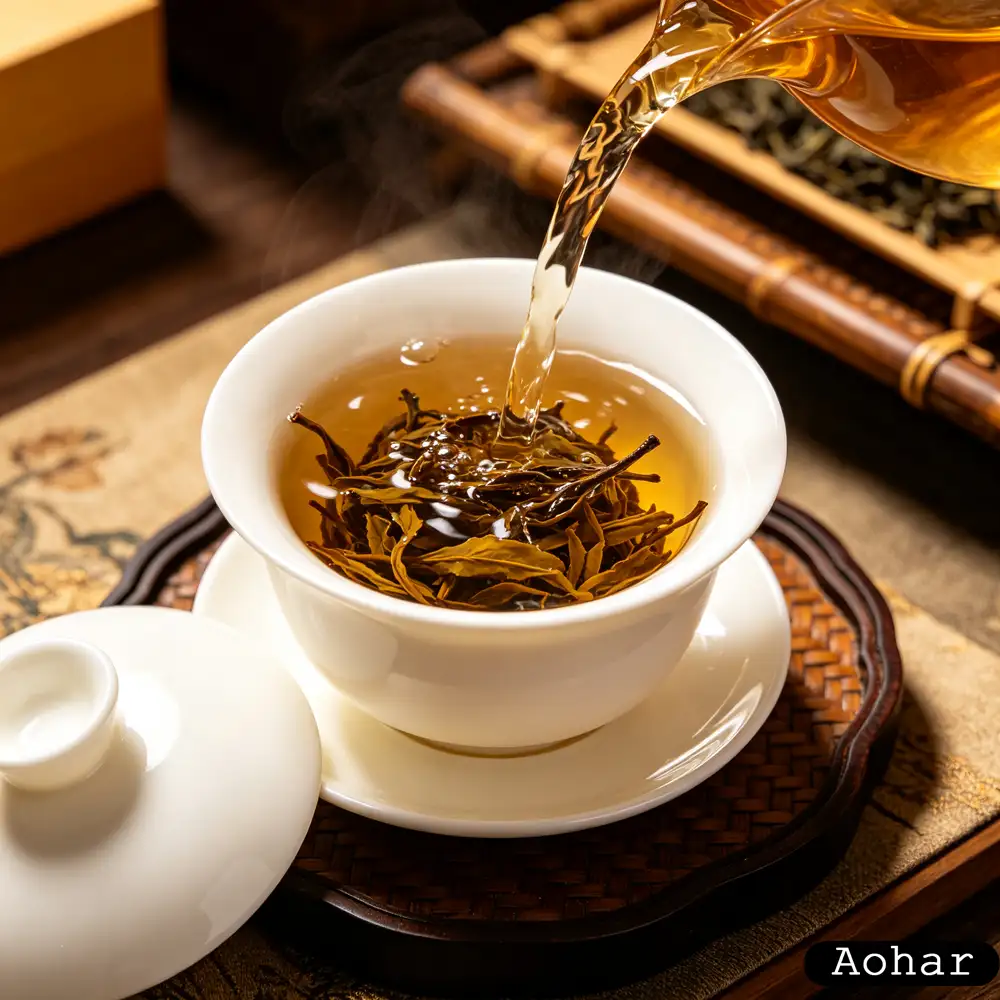
Creating a Complete Tea Ritual
Great tea is about more than taste.
The environment you create can dramatically influence your tea experience.
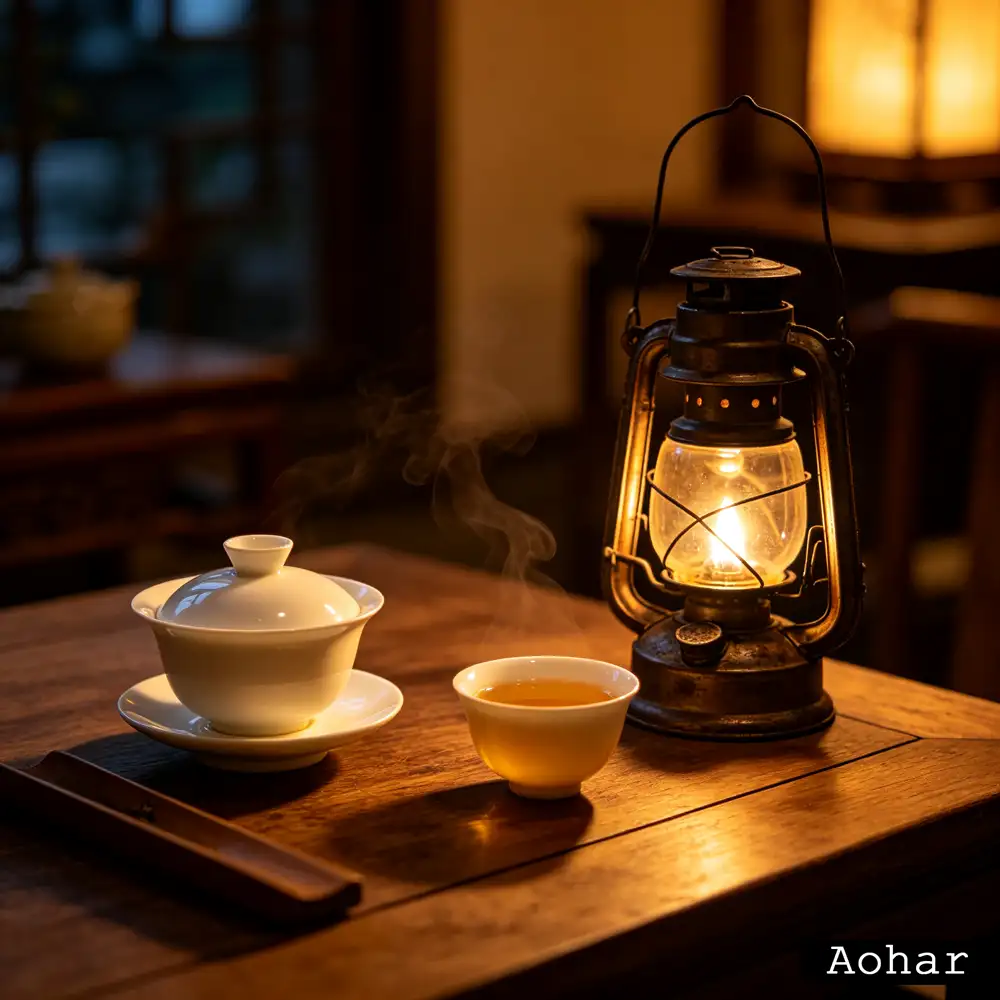
Imagine spending a quiet evening with a cup of fragrant Phoenix Dancong Tea, soft music in the background, and the warm glow of a vintage oil lamp illuminating your tea table.
This is the essence of Gongfu Tea—not rushing through a drink, but slowing down and appreciating every aroma, every infusion, and every peaceful moment.
At AOHAR, we believe tea is more than a beverage. It is a daily ritual that reconnects us with nature, craftsmanship, and ourselves.
Final Thoughts
Understanding the difference between Dancong Tea and Oolong Tea helps you appreciate the remarkable diversity of Chinese tea.
While Dancong belongs to the Oolong family, its extraordinary fragrance, evolving flavors, and centuries-old heritage make it one of the most distinctive teas in the world.
Whether you’re just beginning your tea journey or expanding your collection, Phoenix Dancong Tea offers an unforgettable experience that rewards patience, curiosity, and mindful brewing.
If you’re ready to experience authentic Dancong Tea, explore AOHAR’s carefully selected loose leaf teas and traditional Gongfu teaware to begin your own tea ritual.